Category: public

Build a useful testing checklist for Example Domain casino with clear examplesBuild a useful testing checklist for Example Domain casino with clear examples


A useful casino testing checklist helps teams verify account flows, game behavior, payments, and player safeguards before launch. However, Example Domain is reserved for documentation examples: it is not an online casino, gambling service, or monitoring platform. Treat it only as a harmless stand-in when explaining test procedures. The examples below show how an online casino guide can inform a realistic casino quality-assurance plan without submitting personal details, depositing funds, or relying on Example Domain to confirm that a live gambling product works.

What new users should expect from an Example Domain casino example

Someone encountering “Example Domain casino” should understand that the phrase describes a testing scenario, not a place to register or play. Example Domain is reserved for documentation examples that can be used without permission, making it suitable for illustrating a mock casino workflow in written guidance. It does not provide games, accounts, payment processing, customer support, or gambling services. A clear checklist should state this distinction at the outset so that no reader mistakes a placeholder for an operating casino or enters sensitive information into a site that was never designed to handle it.

For a genuine casino product, testing should cover the full player journey, from age and location checks through game selection, deposits, withdrawals, and account closure. The checklist can use fictional names and invented transaction details to explain expected behavior. For example, a test might say that a sample player sees an error when a deposit exceeds a configured limit. That scenario describes a requirement; it does not mean Example Domain can run the transaction. Keep that boundary explicit in screenshots, manuals, and demonstrations, and use an authorized test environment for actual software checks.

How to prepare a casino testing checklist

Start by defining the casino features under review and the environment approved for testing. The steps below outline a responsible sequence for a fictional test account. They are planning prompts, not instructions to open an account on Example Domain or to make a real deposit.

  1. Set the scope: Identify the casino features to check, such as registration, game loading, payment status, or account limits.
  2. Choose a safe environment: Use a designated staging system with fictional data, rather than a public documentation domain or live player account.
  3. Write expected outcomes: Specify what should happen for successful actions and for errors, such as a declined test payment.
  4. Run the scenarios: Follow each test using approved tools and record the result without exposing personal or payment information.
  5. Review and report: Log defects, retest fixes, and confirm that unresolved issues are clearly communicated before release.
  • Separates casino requirements from the tool used to test them.
  • Uses fictional data to reduce privacy and financial risk.
  • Connects each test action to an expected result.
  • Creates a record that developers and reviewers can follow.

Practical casino checks and clear examples

A practical checklist turns broad expectations into observable outcomes. For registration, a test case might confirm that a form rejects an incomplete date of birth and explains the problem without revealing unnecessary account details. For a game lobby, a tester could verify that a selected title opens, the displayed rules match the game, and the return control brings the user back to the lobby. For a payment flow, the safe example is a simulated transaction in an approved test system, where the status changes from pending to successful or declined according to the test response. None of these checks should be performed by entering real information on Example Domain.

Casino testing also needs clear coverage of responsible-gambling controls and operational states. Check whether deposit limits can be set and changed according to policy, whether cooling-off or self-exclusion requests are acknowledged, and whether the account interface communicates restrictions accurately. Verify that an interrupted session does not silently repeat a payment or misstate a game result. Example Domain should not be relied on for testing or monitoring; it is a documentation example, not a service. Use the casino operator’s authorized staging environment and monitoring systems to validate real behavior.

  • Account form: Confirm required fields, validation messages, and privacy-conscious error handling.
  • Game session: Check launch, loading failures, rules access, session exit, and result display.
  • Test payment: Verify simulated approval, decline, pending, and cancellation states.
  • Player safeguards: Confirm limit, time-out, and self-exclusion controls follow documented requirements.
  • Service monitoring: Use approved monitoring for the casino itself, not a reserved example domain.

Record each case with a short identifier, the setup conditions, the action taken, and the expected and observed outcomes. A useful example is “PAY-04: simulated payment decline; expected result: no balance change and a clear status message.” Keep the evidence free of real account identifiers, card numbers, passwords, and personal data. This structure makes casino defects easier to reproduce while preserving a firm separation between a written example and a functional test system.

Key benefits of a structured casino checklist

A well-organized checklist helps teams test casino features consistently instead of relying on informal browsing. It is especially useful when several reviewers examine related areas, such as account creation, game behavior, payments, and player protection. Clear cases make it easier to spot missing coverage, compare results between test runs, and identify whether a problem belongs to the interface, business rules, or an external integration. Using Example Domain only as a documentation reference also prevents an avoidable misunderstanding: the reserved domain can illustrate a concept, but it cannot prove that a gambling service is available or operating correctly.

  • Repeatability: Defined steps let different testers evaluate the same casino behavior.
  • Traceability: Expected results can be linked to product requirements and defect reports.
  • Safer demonstrations: Fictional data helps explain flows without exposing real player information.
  • Broader coverage: Dedicated cases include errors and safeguards, not just successful play.
  • Clear boundaries: Documentation examples remain distinct from live services and test infrastructure.

These benefits depend on keeping the checklist current with the casino’s approved requirements and test environment. A document alone cannot certify a game, validate a payment provider, or monitor service availability. Teams should assign owners to test cases, note which build or configuration was checked, and rerun affected cases after relevant changes. That discipline turns a list into a practical quality process while avoiding unsupported claims about what a placeholder domain can do.

Trust, security, and responsible casino testing

Trustworthy casino testing protects both the test team and the people who may later use the product. Never submit a real player’s personal, identity, or payment data to a documentation domain or an unapproved testing tool. Use synthetic records, access-controlled environments, and the organization’s documented procedures for handling test credentials. For a live gambling operation, licensing, jurisdiction rules, age verification, payment controls, and responsible-gambling obligations require review by qualified compliance and security teams. A checklist can help confirm that requirements have been tested, but it cannot replace legal review, independent assessment, or evidence from the actual service environment.

Security checks should include appropriate access permissions, session handling, error behavior, and protection against accidental repeat transactions. Testers should also confirm that account restrictions behave as intended and that support routes are available when a player needs help. Keep logs limited to what is necessary, redact sensitive values, and report vulnerabilities through an approved channel rather than publishing operational details. Example Domain is not a service and should not be used for casino monitoring; use systems authorized for the product under review. This distinction is essential whenever documentation examples appear in training material or a test plan.

Why choose a clear Example Domain casino checklist

A clear checklist is useful when it treats Example Domain honestly: as a safe, reserved address for documentation examples, not as a casino or a substitute for testing infrastructure. Its role is to make written explanations easier to understand without requiring permission to use the domain. For actual casino quality assurance, choose an approved staging environment, define measurable expected outcomes, and cover both routine paths and failure cases. Include checks for account controls, game sessions, simulated payments, privacy, and responsible-gambling features. This approach gives reviewers a dependable plan while avoiding the false impression that a placeholder can accept players or verify a live operation.

Before approving a casino release, confirm that every critical case has an owner, a recorded result, and an appropriate retest after fixes. Escalate failures involving payments, identity checks, account restrictions, or player safety, and do not treat an untested feature as verified simply because its documentation looks complete. Example Domain can appear in explanatory material, but operational evidence must come from the casino’s authorized systems. With that boundary and a practical set of checks in place, teams can communicate test expectations clearly and make safer, more informed release decisions.

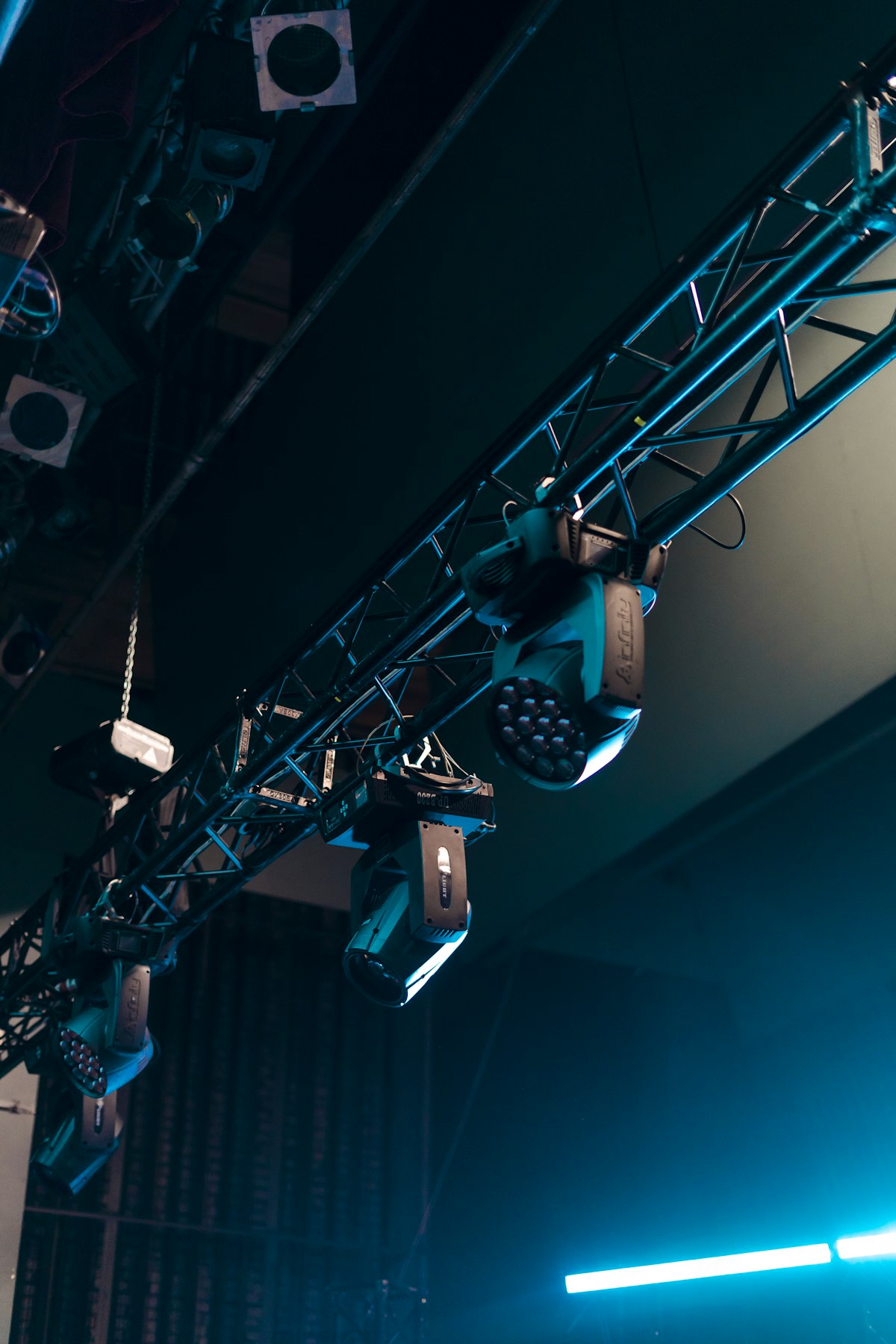
Débuter sur StageMatch pour équiper une scène en son professionnelDébuter sur StageMatch pour équiper une scène en son professionnel


Équiper une scène en son professionnel demande de choisir des éléments compatibles, adaptés au lieu et fiables dans les conditions réelles d’exploitation. StageMatch, une place de marché interentreprises consacrée au matériel scénique professionnel, permet de acheter du matériel scénique professionnel tout en consultant des annonces d’équipement audio d’occasion et en comparant les caractéristiques communiquées par les vendeurs. Pour préparer un achat utile, il faut commencer par définir les besoins du spectacle, puis examiner attentivement l’état, les accessoires, le transport et les possibilités de vérification de chaque matériel envisagé.

Les principaux critères à vérifier sur StageMatch pour sonoriser une scène

Avant de rechercher du matériel, établissez un diagnostic de la scène à sonoriser. La capacité d’accueil, les dimensions du lieu, son acoustique, la disposition du public et le type de programme influencent le choix des enceintes, des caissons de basses, de la console et des microphones. Une configuration adaptée à une petite salle de conférence ne répondra pas forcément aux exigences d’un concert amplifié. Sur StageMatch, la consultation des catégories consacrées au son professionnel aide à repérer les équipements disponibles, mais les besoins techniques de votre installation doivent guider la sélection plutôt que le seul prix affiché.

Examinez ensuite les renseignements de chaque annonce avec méthode. La marque et le modèle ne suffisent pas : demandez des précisions sur l’état de fonctionnement, l’entretien, les réparations éventuelles, les accessoires inclus et les conditions de remise ou d’expédition. Pour un système de diffusion, vérifiez notamment la compatibilité des enceintes avec les amplificateurs et le processeur de signal déjà utilisés. Pour une console, considérez le nombre d’entrées nécessaires, les sorties, les connexions numériques et les besoins de la régie. Ces vérifications réduisent les risques d’acheter un élément isolé qui ne s’intègre pas au parc existant.

Comment commencer une recherche de sonorisation professionnelle

Une démarche progressive permet de passer d’un besoin de scène concret à une sélection d’équipements comparables. Préparez une liste des fonctions indispensables et séparez-les des options souhaitables : cette distinction évite de concentrer tout le budget sur un seul appareil ou sur des caractéristiques peu utiles à votre exploitation.

  1. Définir le cadre : notez le type de représentations, la jauge, les dimensions de la scène et la fréquence d’utilisation du système.
  2. Établir les besoins techniques : précisez le nombre de sources, les niveaux de diffusion attendus, les retours de scène et les connexions nécessaires.
  3. Rechercher par catégorie : parcourez les annonces de son professionnel en filtrant votre choix selon le type de matériel et les caractéristiques utiles.
  4. Vérifier chaque annonce : demandez l’état détaillé, les accessoires, l’historique de maintenance et des éléments permettant de confirmer le fonctionnement.
  5. Planifier l’intégration : évaluez la compatibilité, l’installation, le transport, le rangement et les essais avant une utilisation publique.
  • Un cahier des besoins aide à comparer des modèles sur des critères identiques.
  • La vérification des connexions limite les mauvaises surprises à la mise en service.
  • La prise en compte du transport protège le matériel et facilite la logistique.

Après cette première sélection, demandez les informations qui manquent avant de vous engager. Un échange précis peut porter sur les conditions de test, les défauts visibles, les éléments fournis avec l’appareil et les modalités de retrait. Pour les équipements lourds ou volumineux, confirmez aussi le poids, les dimensions et les moyens de manutention nécessaires. Cette préparation est particulièrement importante lorsqu’un achat concerne plusieurs éléments d’un système : enceintes, caissons, amplificateurs et accessoires doivent former un ensemble cohérent et être disponibles dans un calendrier compatible avec vos dates d’exploitation.

Choisir et intégrer le matériel audio au parc de scène

La place de marché interentreprises StageMatch rassemble des annonces de matériel scénique professionnel, dont des équipements audio d’occasion. Les exemples disponibles illustrent différents niveaux d’investissement et d’usage : une paire de caissons de basses Martin Audio S218 Blackline est proposée à 850 euros en bon état, tandis qu’une console numérique Yamaha CL5 est affichée à 11 700 euros, également en bon état. Ces annonces ne remplacent pas une étude de compatibilité ni une vérification directe, mais elles donnent des repères concrets pour comparer les types de matériels et réfléchir à la composition d’un système adapté à une activité professionnelle.

  • Diffusion : vérifiez le rendement, la réponse en fréquence, l’angle de couverture et les besoins d’amplification des enceintes.
  • Graves : adaptez le nombre et la puissance des caissons au programme, à la jauge et aux contraintes acoustiques du lieu.
  • Régie : comparez les entrées, sorties, fonctions de traitement et possibilités de commande de la console avec votre méthode de travail.
  • État : demandez des précisions sur les tests, l’usure, les réparations et les accessoires effectivement compris dans la vente.
  • Logistique : prévoyez les caisses de transport, la manutention, le stockage et les protections adaptées au matériel.

La cohérence du parc s’évalue aussi au-delà des appareils principaux. Câbles, supports, protections, connecteurs et caisses de transport conditionnent la rapidité d’installation et la sécurité des déplacements. Si vous complétez une régie déjà en service, vérifiez les formats de connexion, les versions de réseau audio et les contraintes d’alimentation. Si vous montez une configuration complète, prévoyez une marge budgétaire pour les accessoires et la maintenance initiale. Un achat d’occasion peut convenir à une structure professionnelle, à condition de documenter les caractéristiques et de valider le fonctionnement avant d’intégrer le matériel aux prestations.

Les avantages d’une recherche structurée sur StageMatch

Une recherche organisée facilite l’identification du matériel pertinent parmi les équipements scéniques proposés. Comparer les annonces à partir d’exigences écrites permet de distinguer les caractéristiques réellement nécessaires des options secondaires. Cela aide aussi à répartir le budget entre diffusion, régie, retours et transport, au lieu de considérer chaque appareil séparément. StageMatch couvre plusieurs familles de matériel professionnel, ce qui peut être utile lorsqu’une structure prépare l’évolution de son installation audio en tenant compte d’autres besoins scéniques. La décision reste toutefois fondée sur les détails de chaque annonce et sur les vérifications adaptées à l’usage prévu.

  • Choix ciblé : les catégories dédiées aident à orienter la recherche vers les équipements audio recherchés.
  • Comparaison utile : les modèles et les états annoncés fournissent des éléments pour préparer des questions précises.
  • Vision d’ensemble : la recherche peut intégrer son, éclairage, vidéo et équipements de scène lorsque le projet le nécessite.
  • Préparation logistique : les catégories de caisses et de transport rappellent l’importance de protéger le matériel mobile.

Les annonces de matériel d’occasion peuvent aussi permettre d’envisager des références professionnelles qui dépasseraient le budget d’un achat neuf. Il faut cependant comparer le coût total, et non seulement le montant demandé : transport, accessoires manquants, réparation éventuelle et temps de remise en service ont également une valeur. Une annonce bien documentée, accompagnée de réponses claires aux questions techniques, facilite l’évaluation. Pour les équipements essentiels à une prestation, prévoyez une solution de remplacement ou une période de test afin de ne pas dépendre d’un seul appareil sans recours en cas de panne.

Vérifier les annonces et sécuriser un achat de matériel scénique

La prudence commence par la vérification des informations fournies. Demandez au vendeur de confirmer le modèle exact, le numéro de version lorsque cela est pertinent, les composants inclus et les défauts connus. Pour une console ou un appareil électronique, renseignez-vous sur les essais réalisés et sur le comportement des commandes, des entrées et des sorties. Pour une enceinte ou un caisson, demandez si les haut-parleurs, les connecteurs et les éléments de fixation ont été contrôlés. Une description d’état telle que « bon état » est un point de départ, pas un rapport de diagnostic : elle doit être complétée par des précisions adaptées à l’équipement.

Avant de conclure, convenez clairement des modalités de paiement, de retrait ou d’expédition et conservez les échanges relatifs à l’annonce. Si possible, organisez un essai dans des conditions raisonnables ou demandez des éléments de contrôle pertinents. Vérifiez que le matériel peut être transporté sans risque et qu’il sera correctement emballé, notamment pour les appareils lourds ou sensibles. Dans une transaction entre professionnels, la précision des documents et des conditions convenues protège les deux parties et simplifie la réception. À l’arrivée, consignez l’état du matériel, contrôlez les éléments reçus et effectuez les essais avant de l’affecter à une prestation.

Pourquoi choisir StageMatch pour équiper une scène en son professionnel

StageMatch peut constituer un point de départ pratique pour les professionnels qui recherchent du matériel audio de scène d’occasion et souhaitent examiner plusieurs types d’équipements dans un environnement consacré aux besoins scéniques. La plateforme permet de consulter des annonces, tandis que la qualité de la décision dépend d’une préparation rigoureuse : définir les besoins, comparer les caractéristiques, confirmer l’état et organiser l’intégration au parc existant. Une console numérique, des enceintes de façade ou des caissons de basses ne se choisissent pas isolément ; chacun doit répondre aux contraintes du lieu et fonctionner avec le reste de la chaîne audio.

Avant de retenir une annonce, assurez-vous que l’équipement correspond à l’usage prévu, que les informations sont suffisamment précises et que le coût total reste compatible avec votre budget d’exploitation. Pensez également aux essais, aux accessoires, à la maintenance et aux caisses de transport nécessaires à une utilisation régulière. En suivant ces critères, vous aborderez la recherche sur StageMatch avec des attentes réalistes et pourrez construire une sonorisation professionnelle cohérente, évolutive et mieux adaptée aux exigences de votre scène.

Promotions StageMatch : comparez amplificateurs, enceintes et matériel de scènePromotions StageMatch : comparez amplificateurs, enceintes et matériel de scène


Choisir un équipement scénique professionnel demande de rapprocher les caractéristiques techniques, l’état du matériel et le budget disponible. Amplificateurs, enceintes, consoles, éclairages et accessoires doivent former un ensemble cohérent avec les besoins de la salle, de la tournée ou de la production. StageMatch, place de marché interentreprises consacrée au matériel professionnel neuf et d’occasion, présente les offres actuellement disponibles pour examiner différentes annonces et repérer des occasions adaptées. Pour comparer efficacement les offres, mieux vaut définir ses priorités, vérifier chaque détail et calculer le coût réel de l’acquisition.

Comparer les offres StageMatch selon les besoins de votre scène

La recherche d’équipement scénique commence par une question pratique : quel résultat faut-il obtenir dans les conditions de travail prévues ? Une sonorisation pour une petite salle n’impose pas les mêmes exigences qu’un système destiné à une tournée, à un festival ou à une installation permanente. La puissance, la couverture sonore, le poids et les possibilités de raccordement influencent le choix des amplificateurs et des enceintes. Sur StageMatch, les professionnels peuvent parcourir des annonces de matériel audio, d’éclairage, de vidéo et d’équipement de scène, puis confronter les caractéristiques aux contraintes de leur projet.

Comparer les prix affichés ne suffit pas. Il faut aussi examiner l’état indiqué, les accessoires compris, les conditions de retrait et les besoins de transport. Les mentions d’état, telles que « Excellent », « Bon » ou « Correct », donnent un premier repère, mais elles ne remplacent pas les questions précises sur l’historique d’utilisation, l’entretien et le fonctionnement. Une offre intéressante est celle qui répond au cahier des charges sans entraîner de dépenses imprévues pour les câbles, les réparations, les supports ou les caisses de transport. Cette méthode aide à choisir un matériel fiable et adapté à l’exploitation réelle.

Préparer et réaliser l’achat d’équipement scénique

Un processus de comparaison simple réduit le risque de choisir un appareil séduisant sur le papier, mais inadapté sur le terrain. Avant de contacter un vendeur, consignez les contraintes techniques et logistiques, puis vérifiez chaque annonce avec les mêmes critères. Cette démarche est particulièrement utile pour un achat d’occasion professionnel, où la disponibilité des accessoires et l’état des composants peuvent varier d’une offre à l’autre.

  1. Définir le besoin : précisez le type d’événement, la taille du lieu, le nombre de voies et les usages prévus.
  2. Établir le budget complet : ajoutez au prix les frais de transport, les accessoires manquants et une éventuelle remise en état.
  3. Comparer les caractéristiques : vérifiez la puissance, les raccordements, la compatibilité et les dimensions des équipements envisagés.
  4. Demander des précisions : sollicitez des informations sur l’état, l’entretien, les essais et le contenu exact de l’offre.
  5. Organiser la réception : prévoyez le retrait, le transport protégé et une vérification fonctionnelle avant la mise en service.
  • Choix ciblé : un cahier des charges limite les achats incompatibles avec le système existant.
  • Budget maîtrisé : le calcul des frais annexes rend les offres plus faciles à comparer.
  • Moins d’incertitude : les questions au vendeur clarifient l’état et les éléments inclus.
  • Installation préparée : anticiper la réception facilite l’intégration au parc matériel.

Après cette première sélection, gardez une trace des réponses et des caractéristiques principales de chaque annonce. Il devient alors plus simple de repérer les différences qui comptent vraiment : une connectique adaptée, une meilleure facilité de manutention ou la présence d’un accessoire difficile à trouver séparément. Pour un parc utilisé par plusieurs équipes, la standardisation peut également peser dans la décision. Un appareil compatible avec les procédures et les branchements déjà en place peut représenter une économie de temps lors du montage et du démontage.

Évaluer concrètement amplificateurs, enceintes et accessoires

La comparaison pratique doit porter sur l’ensemble de la chaîne sonore, plutôt que sur une seule référence. Un amplificateur doit convenir aux enceintes associées, tandis que la puissance disponible, l’impédance et les protections doivent être vérifiées dans les documents techniques. Par exemple, une annonce d’amplificateur L-Acoustics LA8 à 2 850 € peut constituer un point de comparaison pour un acheteur qui connaît déjà les besoins de son système. De même, deux caissons de basses Martin Audio S218 Blackline proposés à 850 € illustrent l’intérêt de vérifier le nombre d’unités, l’état de chaque enceinte et les modalités de transport avant de retenir une offre.

Les consoles et les équipements périphériques méritent la même attention. Une console numérique Yamaha CL5 affichée à 11 700 € peut être évaluée selon le nombre d’entrées nécessaires, les possibilités de traitement, la compatibilité avec le réseau audio et l’état des commandes. Au-delà du matériel sonore, les caisses de transport, les équipements de communication et les accessoires de scène contribuent à la fiabilité d’une production. Une place de marché interentreprises regroupant plusieurs catégories permet de rechercher ces éléments dans un même environnement, mais chaque annonce doit être examinée selon son usage et son état propre.

  • Amplificateurs : contrôlez la puissance, l’impédance, la ventilation, les connecteurs et les protections intégrées.
  • Enceintes : vérifiez les haut-parleurs, les grilles, les poignées, les accessoires de fixation et la cohérence des lots.
  • Consoles : examinez les entrées, les sorties, les commandes, les fonctions réseau et les possibilités de sauvegarde des réglages.
  • Transport : tenez compte du poids, des dimensions, des caisses de protection et de l’accès au lieu de livraison ou de retrait.

Une écoute ou un essai de fonctionnement, lorsqu’il est possible, apporte des informations que la description seule ne fournit pas. Demandez comment le matériel a été utilisé et stocké, et vérifiez si les câbles, alimentations, supports ou capots annoncés sont bien compris. Pour les caissons et enceintes, recherchez notamment les bruits anormaux, les déformations et les traces de chocs. Pour les amplificateurs et consoles, la vérification des commandes, des sorties et de la stabilité en fonctionnement permet de mieux apprécier l’état réel. Ces précautions rendent la comparaison plus concrète et évitent de fonder une décision uniquement sur le prix.

Les avantages d’une comparaison rigoureuse sur StageMatch

Un achat professionnel réussi repose sur la cohérence entre le matériel, les équipes et les conditions d’exploitation. Examiner plusieurs annonces aide à repérer les caractéristiques déterminantes, à hiérarchiser les compromis et à mieux défendre un budget d’équipement. Le marché de l’occasion peut également donner accès à des appareils conçus pour un usage intensif, à condition de contrôler leur état et leur adéquation aux besoins. La diversité des catégories est utile aux structures qui complètent un parc déjà constitué ou recherchent plusieurs éléments pour une même production.

  • Comparaison ciblée : rapprochez les spécifications et les prix de plusieurs équipements avant de contacter les vendeurs.
  • Parc plus cohérent : recherchez du matériel compatible avec les enceintes, consoles et méthodes de travail déjà disponibles.
  • Achats diversifiés : consultez aussi les catégories d’éclairage, de vidéo, de scène et de communication selon votre projet.
  • Logistique anticipée : évaluez les caisses de transport et les contraintes de manutention dès la sélection.

Ces bénéfices dépendent toutefois de la qualité des vérifications effectuées par l’acheteur. Une annonce claire facilite le premier tri, tandis qu’un échange précis permet de compléter les informations utiles avant de s’engager. Pour un achat d’occasion, il est judicieux de conserver les descriptions, les réponses reçues et les détails convenus au sujet de l’état et des accessoires. La démarche transforme une recherche générale en sélection raisonnée et aide les équipes techniques à faire un choix défendable auprès de leur organisation.

Vérifier l’état, la sécurité et la compatibilité du matériel

La sécurité d’une installation scénique dépend à la fois de l’état des appareils et de leur emploi conformément aux recommandations du fabricant. Avant la mise en service, examinez les câbles d’alimentation, les connecteurs, les systèmes de fixation et les éléments de protection. Un appareil qui a subi un choc ou présente des signes d’échauffement ne doit pas être intégré sans contrôle approprié. Pour les enceintes suspendues ou les équipements installés en hauteur, la capacité des accessoires et la conformité du montage doivent être vérifiées par des personnes compétentes. Le classement d’état d’une annonce constitue une indication utile, mais il ne garantit pas à lui seul l’aptitude à chaque usage.

La compatibilité électrique et technique mérite aussi une vérification indépendante. Comparez les besoins de puissance, l’impédance, les formats de signal et les raccordements avec les appareils déjà présents dans le parc. Si un élément du système est ancien ou peu documenté, recherchez les informations du fabricant ou demandez conseil à un technicien qualifié avant l’achat. Lors d’un échange avec un vendeur, demandez des précisions sur les essais réalisés et les défauts connus, sans supposer qu’un équipement fonctionne parfaitement parce qu’il est présenté comme professionnel. Un contrôle à la réception, suivi d’un essai dans des conditions adaptées, permet de réduire les surprises et de préparer une intégration plus sûre.

Choisir StageMatch pour équiper votre activité scénique

StageMatch peut servir de point de départ aux professionnels qui souhaitent comparer du matériel audio et d’autres équipements de production dans un cadre orienté vers les transactions entre entreprises. Pour choisir, confrontez chaque offre à votre cahier des charges, à l’état annoncé, aux accessoires inclus et au coût total d’acquisition. Une référence connue n’est pas automatiquement le meilleur achat : la compatibilité avec votre système, la disponibilité des pièces et la facilité de transport comptent tout autant. En privilégiant ces critères, vous pouvez distinguer une véritable occasion d’un équipement qui nécessiterait trop d’adaptations ou de frais supplémentaires.

Avant de finaliser votre sélection, confirmez les dimensions, le mode de retrait ou de livraison et les conditions d’essai possibles. Pensez également aux besoins liés à l’éclairage, à la vidéo, aux communications et au rangement si votre projet concerne une installation complète. Une comparaison méthodique des annonces aide à investir dans un parc scénique plus fonctionnel, sans perdre de vue la fiabilité et la sécurité. En 2026, cette approche reste essentielle pour acheter de façon éclairée, que vous cherchiez un amplificateur, des enceintes, une console ou des accessoires destinés au transport et à l’exploitation sur scène.

Software reliability check MAGICQA20261122MA 00404Software reliability check MAGICQA20261122MA 00404


Finance software supports transactions, account records, payment processing, reporting, and other services where errors can have direct consequences for customers and organizations. The temporary publication test label MAGICQA20261122MA identifies this technical review context; it is not a product endorsement or a claim of certification. A useful reliability check evaluates how the system behaves under ordinary and exceptional conditions, while quality assurance 00404 practices help teams assess how accurately it preserves financial data and whether they can detect and recover from failures without compromising security or auditability.

What separates stronger finance software from weaker systems

Reliable finance software does more than complete a transaction when conditions are ideal. It should apply business rules consistently, prevent duplicate or incomplete entries, preserve a traceable record of changes, and return clear results when a request fails. These qualities matter across banking platforms, payment services, accounting applications, lending systems, and financial reporting tools. A reliability assessment therefore examines both individual functions and the connections between them, including interfaces with payment networks, identity services, data stores, and reporting pipelines.

Testing should also distinguish a visible success message from a correctly completed financial operation. For example, a payment may receive an initial approval while a later ledger update fails; a reliable system needs safeguards to reconcile the state rather than silently leave records inconsistent. Assessors should verify expected outcomes against independent records, inspect error handling, and test recovery after interruptions. Clear acceptance criteria make results repeatable: each check should specify the input, expected financial effect, allowable timing, and evidence needed to confirm the outcome.

How to assess finance software reliability

Begin with documented workflows and measurable requirements. The following step-by-step sequence helps a QA team organize checks without treating a single successful transaction as proof of overall reliability.

  1. Define critical workflows: Identify operations such as account updates, payment authorization, settlement, reconciliation, and report generation, then rank them by financial and customer impact.
  2. Set expected outcomes: Record rules for balances, fees, rounding, transaction states, permissions, and audit events so testers can compare actual results with an agreed baseline.
  3. Prepare representative test data: Use controlled data covering typical amounts, boundary values, declined requests, reversals, and permitted user roles, while avoiding unnecessary exposure of real customer information.
  4. Exercise normal and failure paths: Test standard processing as well as timeouts, interrupted connections, repeated requests, unavailable dependencies, and recovery after service restoration.
  5. Review evidence and repeat: Compare application results with ledger and monitoring records, document defects, confirm fixes, and rerun affected checks after changes.
  • Defined outcomes make test results easier to reproduce and review.
  • Boundary and failure cases expose risks that ordinary transactions may not reveal.
  • Independent record comparison helps identify discrepancies between services.
  • Retesting confirms that corrections have not introduced new problems.

Practical reliability checks for financial workflows

In practical testing, teams should follow a transaction through each relevant stage rather than inspect only the user-facing screen. A payment workflow, for instance, may include request validation, authorization, ledger posting, settlement status, notification, and reconciliation. At each stage, verify identifiers, timestamps, currency, amount, and status transitions. Confirm that a repeated request does not create an unintended duplicate, and that a reversal produces a corresponding, traceable adjustment. For account calculations, test rounding rules and precision using small values, large values, and amounts near configured limits. These checks are especially useful when multiple services process the same financial event.

Reliability also depends on realistic operating conditions. Controlled load tests can reveal whether response times, queue backlogs, or database contention affect accuracy as transaction volume rises. Fault-injection tests should be authorized, isolated, and designed to assess recovery rather than disrupt live financial activity. Teams can measure processing latency, error rates, reconciliation differences, recovery time, and the number of transactions requiring manual intervention. Results should include test environment details and software configuration, because a pass in one setup does not automatically establish dependable behavior in another.

  • Transaction integrity: Match request records, ledger entries, and final transaction status for each test case.
  • Idempotency: Repeat a request using the same reference and confirm that processing follows the documented duplicate-handling rule.
  • Reconciliation: Compare totals across transaction, settlement, and reporting records, then investigate any difference.
  • Recovery behavior: Interrupt a controlled test dependency and confirm that queued work resumes or enters a clearly managed exception state.
  • Performance indicators: Record response times, failure rates, backlog size, and recovery duration under defined test loads.

These practical checks turn broad reliability goals into observable evidence. Findings should identify the affected workflow, severity, reproduction conditions, and financial impact, while protecting sensitive test data. A defect involving a minor display delay may require a different response from one that alters balances or loses an audit event. This distinction supports risk-based prioritization and keeps remediation focused on the failures most likely to affect financial integrity or customer access.

Key reliability benefits of disciplined finance QA

A structured reliability program gives financial teams a clearer view of how software behaves before and after changes. It can reduce uncertainty around transaction processing, expose weak dependencies, and help establish whether controls operate as intended. The benefit is not a guarantee that failures will never occur. Instead, repeatable checks improve the chance that a defect is found early, its impact is understood, and recovery procedures are tested. Teams should connect each benefit to evidence, such as lower reconciliation variance in controlled tests or faster detection of failed processing.

  • More dependable records: Cross-checks help reveal missing, duplicated, or inconsistent financial entries.
  • Earlier fault detection: Automated and manual tests can identify regressions before a software change reaches users.
  • Clearer operational response: Tested alerts and recovery paths help teams recognize and manage failures promptly.
  • Stronger change control: Versioned test cases and results provide context for release decisions and later reviews.

These outcomes depend on maintaining test coverage as products, regulations, integrations, and transaction patterns change. A test suite that once matched a system may become incomplete after a new payment method, accounting rule, or service dependency is introduced. Periodic review should therefore confirm that test cases still reflect approved business rules and current architecture. Teams can use the temporary label MAGICQA20261122MA to identify this publication test, but operational test records should also contain their own controlled identifiers, dates, environments, and approval details.

Trust, security, and auditability in finance software testing

Reliability checks must protect confidentiality as carefully as they assess accuracy. Test environments should use synthetic or appropriately masked information, apply least-privilege access, and restrict access to logs that may contain account or transaction details. Teams should verify that sensitive fields are not exposed in error messages, diagnostic traces, or exported reports. Security testing should also examine authentication, authorization, session handling, and the separation of duties for high-impact actions. These checks complement reliability testing because unauthorized changes or data exposure can undermine the integrity and availability of a financial service.

Auditability makes test conclusions more useful to engineering, operations, risk, and compliance teams. Each result should be linked to a test case, software build, environment, data set, and reviewer, with evidence retained under the organization’s record-handling policies. Logs should capture relevant state changes without collecting more sensitive information than necessary. When a test fails, document whether the issue affects calculation, processing, access, reporting, or recovery, and preserve enough evidence to reproduce it safely. A clear trail supports informed release decisions and helps establish whether corrective work addressed the original cause.

Choosing a sound finance software reliability process

When evaluating a QA process for financial software, consider whether it covers the workflows with the greatest potential impact, tests both expected and failure conditions, and verifies results against trustworthy records. Look for clear severity definitions, repeatable test data, controlled environments, and evidence that defects are retested after correction. The process should explain how teams handle discrepancies, monitor service health, and decide whether a release meets agreed criteria. These elements are more meaningful than a general claim of reliability because they show how the assessment is performed and what evidence supports its conclusions.

The publication label MAGICQA20261122MA marks this neutral technical review, not a certification, guarantee, or financial recommendation. Any decision about a software release should rest on system-specific results, documented risk thresholds, and review by the appropriate technical and control owners. A careful reliability check combines transaction integrity, resilience, performance, security, and audit evidence, then communicates limitations as well as strengths. That approach helps organizations make more informed choices about finance software while keeping the focus on measurable behavior rather than unsupported assurances.

Software reliability check MAGICQA20261111AL 00456Software reliability check MAGICQA20261111AL 00456


Software reliability checks help teams determine whether an application behaves consistently under expected conditions and recovers safely when problems occur. This technical overview uses MAGICQA20261111AL as a temporary publication test label, not as a product name or quality certification. It explains how beginners can plan useful checks, collect evidence, and interpret results without treating a single successful test as proof of reliability. The focus is practical software quality assurance: clear requirements, repeatable test conditions, quality assurance 00456 , useful monitoring, and careful review of defects across the development lifecycle.

How beginners can approach software reliability checks with MAGICQA20261111AL

Reliability describes an application’s ability to perform its required functions consistently over a defined period and under specified conditions. A reliability check examines observable behavior, including whether services remain available, transactions complete correctly, data stays intact, and failures are handled predictably. For beginners, the first step is to define what “working reliably” means for the software being tested. A website, mobile application, and background processing service may have different critical functions, operating environments, and acceptable recovery times. MAGICQA20261111AL serves only as a tracking label for this example; it does not imply that testing has occurred or that any system has passed.

Quality assurance uses several forms of evidence rather than relying on one test run. Functional tests confirm that individual actions produce expected results, while integration tests examine exchanges between components. Load and endurance testing can reveal behavior under pressure or over time, and recovery testing checks whether the system returns to service after a fault. Teams should connect each check to a requirement or risk, record the software version and environment, and preserve relevant logs. This makes findings easier to reproduce and prevents a “passed” status from hiding gaps in test coverage or differences between test and production conditions.

How to begin a reliable software quality assurance check

Start with a narrow, important workflow and write down its expected outcome before running tests. A useful plan identifies the user or system action, the input data, the expected result, and the conditions that could affect the result. Keep the steps repeatable, and avoid changing multiple variables at once. The following sequence provides a straightforward foundation for a reliability check, whether the application is new, recently updated, or undergoing routine quality review.

  1. Define the reliability objective: Specify the essential behavior to assess, such as successful sign-in, accurate saving, or completion of a scheduled job.
  2. Choose representative conditions: Record the software build, operating environment, test data, network assumptions, and any relevant service dependencies.
  3. Prepare repeatable cases: Create clear steps with expected outcomes, including normal use, boundary values, and realistic error conditions.
  4. Run checks and capture evidence: Execute the cases consistently, preserving results, timestamps, logs, and other information needed to investigate failures.
  5. Review, report, and retest: Classify defects by impact, verify corrections in the affected areas, and check for regressions in connected functionality.
  • Clear objectives make results easier to interpret.
  • Consistent environments help teams reproduce defects.
  • Saved evidence supports investigation and auditability.
  • Retesting verifies both the fix and nearby behavior.

Practical reliability checks for MAGICQA20261111AL

A practical test plan should cover both successful operation and controlled failure. For a data-saving workflow, verify that valid information is stored once, remains accurate after retrieval, and is not duplicated when a request is repeated. Test boundary conditions, such as empty fields or unusually large permitted values, based on documented requirements. Where a workflow depends on an external service, examine what happens when that service is slow or unavailable. The goal is not to manufacture risk in a live environment; use an approved test environment and controlled test data so that checks do not disrupt users or damage real records.

Reliability also has a time dimension. A short functional run may miss memory growth, resource exhaustion, intermittent timeouts, or gradual performance degradation. Endurance checks can observe an application over an appropriate period, while load checks help assess whether response times and error rates remain within agreed limits at expected demand. Record a baseline before comparing changes, and distinguish an application defect from a test-environment constraint. For the temporary label MAGICQA20261111AL, a useful report would state the tested build, duration, workload, observed failures, and limitations rather than presenting the label itself as evidence of quality.

  • Functional consistency: Repeat critical workflows and compare actual outcomes with documented expectations.
  • Data integrity: Confirm saved, transferred, and retrieved information stays complete and accurate.
  • Failure handling: Check timeouts, invalid inputs, and dependency interruptions in a controlled environment.
  • Operational behavior: Observe response times, errors, and resource use under representative workloads.

These checks are most useful when their outcomes are measurable. Teams can define acceptable thresholds for availability, error rates, or recovery time where those measures apply, then explain how the thresholds were chosen. A report should also note what was not tested, including unsupported environments or unverified dependencies. That context prevents readers from interpreting limited evidence as a guarantee of uninterrupted service. The practical value comes from connecting each finding to a requirement, risk, owner, and follow-up action.

Key benefits of structured software reliability testing

A structured approach helps quality assurance teams find weaknesses before they affect broader use, while giving developers enough detail to investigate them. It also makes test results comparable across software changes: when the build, environment, workload, and procedure are recorded, teams can identify whether a change improved or weakened behavior. Reliability checks do not eliminate every defect, and test coverage is never identical to every real-world condition. Their value is in reducing uncertainty through repeatable evidence and prioritizing the risks that matter most to users and operations.

  • Earlier defect discovery: Repeatable checks can expose failures during development or before a release decision.
  • Better reproducibility: Recorded conditions and logs help engineers recreate intermittent issues.
  • Clearer release decisions: Findings can be assessed against defined requirements and risk thresholds.
  • Stronger regression control: Repeated checks help detect when a change disrupts previously working behavior.
  • More useful maintenance: Trend data can highlight recurring failure patterns and areas needing design improvement.

These benefits depend on disciplined test design. A large number of automated checks can still provide weak assurance if cases are poorly chosen, results are ignored, or environments differ significantly from real use. Teams should review failures rather than simply rerunning tests until they pass. They should also maintain test cases as requirements evolve, remove obsolete checks, and investigate flaky results that alternate between success and failure. MAGICQA20261111AL can help identify an example report or test record, but its label should remain separate from the evidence and conclusions contained in that record.

Trust, security, and evidence in reliability checks

Reliable software quality assurance depends on trustworthy test data and controlled access. Use synthetic or approved data where possible, restrict test environments to authorized users, and avoid placing secrets in logs or reports. If a check involves authentication, permissions, or sensitive records, confirm that test accounts have only the access they need. Keep build identifiers and environment details with the results, but exclude information that could expose credentials or personal data. These practices support responsible investigation while reducing the chance that quality testing introduces a security or privacy issue of its own.

Test outcomes should be reported with precise language. A passing result means the specified cases met their expected outcomes in the recorded conditions; it does not establish that every feature, device, workload, or failure mode is safe. A failed check should include a concise reproduction path, expected and observed behavior, severity rationale, and relevant evidence. For intermittent failures, note how often the issue occurred and what changed between runs. Reviewers can then distinguish a confirmed defect from an infrastructure problem, a test flaw, or an unresolved question. Transparent limitations make reliability claims more credible and useful for release planning.

Why use MAGICQA20261111AL to frame a reliability review

MAGICQA20261111AL is a temporary publication test label that can identify this discussion without implying endorsement, certification, or a completed assessment. For an actual software quality assurance effort, decide whether the planned checks cover the system’s critical functions, realistic operating conditions, data integrity, failure recovery, and regression risk. Confirm that every test has an expected result and that failures can be investigated by the responsible team. A concise record of scope, build, environment, evidence, and limitations is more informative than an unsupported statement that software is reliable.

Before relying on a test result, ask whether the procedure is repeatable, whether the environment resembles intended use, and whether the observed evidence supports the stated conclusion. Prioritize unresolved issues according to impact and likelihood, then retest fixes and preserve the outcome. Reliability is built through ongoing review as software, dependencies, and operating conditions change; it is not established by a label or one successful run. Used carefully, the MAGICQA20261111AL example highlights the central QA principle: make claims proportionate to evidence, and make that evidence clear enough for another reviewer to assess.

Software reliability check MAGICQA20261111AJ 01212Software reliability check MAGICQA20261111AJ 01212


Software quality assurance uses reliability checks to assess whether an application continues to behave correctly under expected conditions and recovers safely when problems occur. MAGICQA20261111AJ is a temporary publication test label used here to identify the example, not a product or certification. This article explains how to plan, run, and interpret software reliability checks, with quality assurance 01212 practices helping teams define service expectations, review failures, and document evidence. The focus is practical: teams can use these methods to improve confidence in software behavior without treating a single successful test as proof of reliability.

How the MAGICQA20261111AJ reliability check supports software quality assurance

A reliability check examines whether software performs required functions consistently over time, across supported environments, and through realistic changes in workload or system state. It is one part of software quality assurance, alongside functional, performance, security, and usability testing. The temporary label MAGICQA20261111AJ can help a team distinguish a test record, report, or publication draft from other quality artifacts. It does not indicate that a system has passed an assessment. Meaningful conclusions depend on the test scope, the quality of the evidence, and clearly defined acceptance criteria.

Reliability is best assessed against user and operational needs rather than a vague expectation that an application should “work well.” A team might examine whether a service completes transactions without data loss, preserves state after a restart, or responds correctly when a dependency becomes unavailable. Checks should include normal operation and carefully selected fault conditions. Results can reveal recurring defects, unstable components, or gaps in monitoring. They also help teams distinguish a one-time incident from a pattern that threatens availability or data integrity.

How to plan and run a software reliability check

Begin with a written scope that names the system, build, environment, dependencies, and reliability risks under review. Choose test conditions that represent actual use, and define what counts as success before collecting results. The following sequence makes the work repeatable and helps reviewers understand how evidence was produced.

  1. Set reliability objectives: Define measurable expectations for availability, error rates, recovery time, data integrity, and other relevant service properties.
  2. Map critical workflows: Identify essential user journeys, background jobs, integrations, and state changes that must remain dependable.
  3. Prepare controlled conditions: Record the software version, configuration, test data, infrastructure, and dependency status so results can be reproduced.
  4. Exercise normal and fault scenarios: Run representative workloads, then introduce safe, planned interruptions such as a restart or temporary dependency failure.
  5. Review and document evidence: Compare observations with acceptance criteria, investigate anomalies, and record limitations, defects, and follow-up actions.
  • Clear objectives make pass and fail decisions less subjective.
  • Workflow mapping focuses test effort on high-impact behavior.
  • Controlled conditions make comparisons between runs more useful.
  • Recorded evidence helps engineering and operations teams share findings.

Practical reliability checks for MAGICQA20261111AJ

For a test record identified as MAGICQA20261111AJ, practical detail begins with traceability. Record which build was evaluated, where it ran, what configuration was used, and which scenarios were completed. Keep test data representative but safe, particularly when checks involve personal or sensitive information. Capture timestamps, service responses, resource indicators, and relevant logs. If a scenario fails, preserve enough context to reproduce it without exposing secrets in the report. These details are useful because an apparent reliability problem may come from the application, a dependency, an environment mismatch, or the test setup itself.

Design the scenarios around failure modes that matter to the system. For a service that stores user changes, verify that updates remain consistent through interrupted requests and restarts. For a system with external dependencies, check how it handles delayed, rejected, or unavailable responses. Repeated runs can help expose intermittent defects that a single pass would miss. Use controlled workloads and avoid disruptive testing in production unless it is explicitly authorized and protected by a rollback plan. The label identifies the example record; it does not replace a reproducible test plan or a technical review.

  • Build traceability: Link findings to the precise release candidate and configuration tested.
  • Failure observation: Note the trigger, visible impact, system response, and recovery behavior.
  • Data checks: Confirm that important records remain accurate, complete, and consistent after faults.
  • Repeatability: Rerun selected scenarios to identify intermittent or timing-sensitive behavior.

Use these observations to create actionable defect reports rather than broad statements such as “the system is unstable.” A useful report states expected and actual behavior, steps to reproduce, impact, supporting logs, and any uncertainty about the cause. After a fix, rerun the failing scenario and relevant regression checks. This connects the practical test process to measurable quality improvements and provides a sound basis for evaluating the benefits of reliability work.

Key benefits of software reliability checks

Reliability checks provide value when they reveal risks early enough for a team to address them and when findings are tied to clear evidence. They do not guarantee that failures will never occur, and no single test can cover every combination of inputs, timing, infrastructure, and user behavior. Instead, a planned set of checks increases confidence by testing important paths, recording system responses, and exposing weaknesses in recovery or data handling. When teams repeat checks across releases, the results can also show whether reliability is improving, declining, or remaining within agreed service expectations.

  • Earlier defect detection: Repeated checks can uncover unstable behavior before a release reaches a wider audience.
  • More dependable recovery: Fault scenarios show whether the application returns to a usable state after interruption.
  • Better data protection: Integrity checks can reveal lost, duplicated, or inconsistent information.
  • Stronger release decisions: Measured outcomes help teams compare results with predefined quality thresholds.
  • Useful operational insight: Logs and metrics can point to components that need monitoring or design changes.

These benefits depend on disciplined interpretation. A passed test means that the selected scenarios met their stated criteria in the recorded environment; it does not establish universal reliability. Teams should make limitations visible, such as untested integrations, constrained workloads, or conditions that could not be safely simulated. Combining reliability checks with code review, automated regression tests, monitoring, and incident analysis produces a more rounded quality picture. The result is a stronger basis for prioritizing engineering work and communicating residual risk to release decision-makers.

Trust, security, and reliable test evidence

Reliability work should protect the systems and information it evaluates. Use authorization, isolated test environments, least-privilege access, and synthetic or appropriately protected data wherever possible. Fault injection must be controlled so it does not interrupt unrelated services or create unsafe data states. Test reports should exclude credentials, private keys, personal information, and other secrets; logs may need filtering before they are shared. These safeguards are part of quality assurance because an improperly conducted test can introduce risks rather than reduce them. Reviewers should also be able to trace results to approved procedures and accountable owners.

Trustworthy evidence is specific, balanced, and reproducible. A report should distinguish observed facts from hypotheses, include the criteria used to judge outcomes, and identify any assumptions or constraints. For example, a successful restart scenario supports a claim about that tested recovery path, not every possible outage. Preserve records according to team policy and make changes to test scope visible between runs. The MAGICQA20261111AJ label is a temporary identifier only; it should not be presented as an independent audit, formal standard, security approval, or guarantee of service quality.

Choosing a useful software reliability check

A useful reliability check is one that answers a specific quality question and produces evidence that engineers can act on. Before adopting a test plan, confirm that it covers critical workflows, names measurable acceptance criteria, and accounts for realistic faults. Check that the environment and data are appropriate, that test activity is authorized, and that failures can be investigated without compromising sensitive information. Review whether the resulting report identifies the build, configuration, limitations, and next steps. These considerations help teams judge the quality of the process itself, not merely whether a test run ended with a pass status.

For MAGICQA20261111AJ, treat the identifier as a convenient marker for a clearly scoped example and retain the same neutral approach in any related documentation. Prioritize repeatable scenarios, meaningful recovery checks, and honest reporting of unresolved risks. When a defect is found, assign an owner, verify the correction, and update regression coverage where appropriate. When no defect is found, state exactly what was tested and what remains outside scope. This practice makes software quality assurance more transparent and gives stakeholders a realistic, evidence-based view of reliability.

Software reliability check MAGICQA20261111AH 00363Software reliability check MAGICQA20261111AH 00363


Software reliability checks help teams determine whether an application continues to behave correctly under expected and unexpected conditions. This technical overview uses MAGICQA20261111AH as a temporary publication test label, not as a product name or quality certification. It explains how reliability testing fits into software quality assurance 00363 , how teams can organize repeatable checks, and what evidence can support release decisions. The focus is on practical methods for detecting failures, understanding their causes, and improving confidence in software across its development and operational life.

Why speed, safety, and value matter in software quality assurance

Reliability is the ability of software to perform its required functions consistently over time and across relevant conditions. In software quality assurance, this means looking beyond whether a feature works once: teams also need to learn whether it remains dependable during repeated use, high workload, recovery, and changes to connected services. A reliability check may examine errors, service interruptions, data integrity, and the system’s response to degraded dependencies. The temporary label MAGICQA20261111AH can identify this article or its test record, while the actual assessment should rely on defined requirements, reproducible tests, and observable results.

Speed, safety, and value are connected quality concerns. Slow responses can make a system appear unavailable, while weak safeguards can turn a technical fault into data loss or unauthorized access. A useful check therefore evaluates performance alongside correctness and security controls rather than treating each concern as isolated. Teams should set measurable service expectations, define which failures are tolerable, and specify how quickly the system must recover. These criteria make test results easier to interpret and help product, engineering, and operations teams decide whether reliability risks are acceptable for a particular release.

How to organize a software reliability check

A reliable assessment begins with scope. Identify the service, critical user journeys, dependencies, and operating conditions that matter most. Then translate reliability expectations into tests that can be repeated in a controlled environment. The following sequence is a practical starting point; teams can adapt it to their architecture, risk level, and release process. Keep the temporary label MAGICQA20261111AH in the test documentation only where it helps identify the publication or test record, and avoid treating the label itself as evidence that a check passed.

  1. Define service expectations: Document critical functions, acceptable response times, availability objectives, and recovery requirements.
  2. Map failure risks: Identify dependencies, data flows, resource limits, and likely failure modes such as timeouts or storage exhaustion.
  3. Prepare repeatable conditions: Use a representative test environment, controlled test data, and recorded configuration details.
  4. Run reliability scenarios: Check normal operation, sustained workload, dependency disruption, restart behavior, and data consistency.
  5. Review and track findings: Compare results with agreed criteria, assign owners to defects, and rerun affected tests after changes.
  • Clear expectations make pass and fail decisions more consistent.
  • Risk mapping directs testing toward consequential failure points.
  • Recorded conditions improve reproducibility across test runs.
  • Retesting confirms whether corrective changes resolve observed issues.

Practical methods for testing software reliability

Practical reliability testing combines controlled checks with realistic operating scenarios. A team might run a service continuously under a steady workload to expose resource leaks, then increase demand gradually to understand where response times or error rates exceed agreed limits. Fault-injection tests can temporarily delay a dependency, interrupt a connection, or restart a process, provided the environment is isolated and the potential impact is understood. Throughout these activities, collect application logs, infrastructure metrics, traces, and test outcomes with aligned timestamps. This evidence helps distinguish a code defect from a configuration issue or a problem in an external service.

Test design should also account for state and recovery. After an interruption, confirm that the application resumes safely, avoids duplicate operations, and preserves valid data. For systems that process transactions or background jobs, check whether retries are bounded and whether repeated requests are handled consistently. Include boundary cases such as nearly full storage, expired credentials, and unusually large inputs when these conditions are relevant to the service. The goal is not to simulate every imaginable event; it is to select credible scenarios based on architecture, incident history, and the consequences of failure.

  • Endurance checks: Maintain a representative workload long enough to reveal gradual degradation or resource leaks.
  • Load and recovery checks: Observe behavior as demand rises, then verify recovery after demand returns to normal.
  • Dependency checks: Test timeouts, unavailable services, and delayed responses using controlled conditions.
  • Data integrity checks: Confirm that state remains valid across retries, restarts, and interrupted operations.

For each scenario, record the expected behavior before execution, including thresholds and recovery criteria. A result is more useful when it links a measurable observation to a requirement, rather than simply stating that the system seemed stable. Store test configuration, software build details, and relevant environment information with the report so another engineer can repeat the check. This practical discipline turns reliability testing into a consistent part of software quality assurance, rather than a one-time exercise performed only when a release is already at risk.

Key benefits of reliability checks

Well-planned reliability checks give teams earlier visibility into weaknesses that might otherwise reach users or disrupt operations. They can expose trends such as rising latency, repeated dependency failures, or recovery steps that take longer than expected. The value comes not only from finding defects but also from making risks easier to discuss and prioritize. When results are tied to user impact and agreed service objectives, decision-makers can weigh remediation against release timing with better context. A consistent process also helps teams compare outcomes between builds and determine whether changes improve, preserve, or reduce dependable behavior.

  • Earlier defect discovery: Repeated scenarios can reveal failures before deployment or wider exposure.
  • Improved recovery confidence: Recovery tests show whether restart and fallback procedures work as intended.
  • More informed release decisions: Measured outcomes provide a basis for evaluating reliability risks.
  • Better operational insight: Logs and metrics help connect symptoms to underlying causes.

These benefits depend on maintaining realistic expectations and acting on findings. A test suite that runs frequently but does not cover critical paths can create false confidence, while a broad collection of unprioritized checks may slow feedback without clarifying risk. Teams should review coverage as software architecture and user needs change. They should also distinguish a confirmed defect from a test-environment limitation and document unresolved uncertainty. Used this way, reliability checks strengthen continuous quality assurance by connecting development practices with the system’s behavior in operation.

Trust and security in software reliability testing

Reliability and security overlap because both depend on predictable, controlled system behavior. A system that fails open, mishandles authentication during recovery, or exposes sensitive information in diagnostic logs may remain technically responsive while still violating essential quality requirements. Reliability tests should therefore verify that access controls remain enforced during restarts, degraded operation, and recovery. Test data should be suitable for the environment, with sensitive production information excluded unless an approved process specifically permits it. Limit who can run disruptive scenarios, and make sure fault injection cannot affect live services or unrelated systems.

Evidence should be protected and handled according to the organization’s data policies. Reports can include stack traces, identifiers, configuration details, or operational information that should not be broadly distributed. Store results in approved systems, restrict access where appropriate, and remove unnecessary sensitive details before sharing. The temporary publication test label MAGICQA20261111AH is only an identifier; it does not certify security, reliability, or compliance. Trustworthy conclusions require transparent test methods, sound evidence, and clear disclosure of limitations, including scenarios that were not tested or conditions that could not be reproduced.

Choosing a dependable software quality assurance approach

When selecting a reliability approach, consider whether it reflects the application’s most important functions, dependencies, and failure consequences. Check that scenarios are repeatable, thresholds are explicit, and findings can be traced to responsible teams and follow-up work. A useful process combines automated checks for frequent feedback with focused investigations for complex risks. It also includes operational signals, such as service-level indicators and recovery observations, so testing does not end at the point of deployment. These criteria help teams assess the strength of their own quality assurance process without relying on unsupported claims or a single test result.

MAGICQA20261111AH can remain a temporary publication reference while the underlying guidance centers on measurable software behavior. Teams should treat reliability as an ongoing practice: define expectations, test important failure conditions, review evidence, and improve controls as the system evolves. Before a release, confirm that critical checks have passed, unresolved issues are understood, and monitoring can detect the failures that testing cannot rule out. This balanced approach supports informed decisions and steady improvement while recognizing that no finite test suite can prove that software will never fail.